Introduction
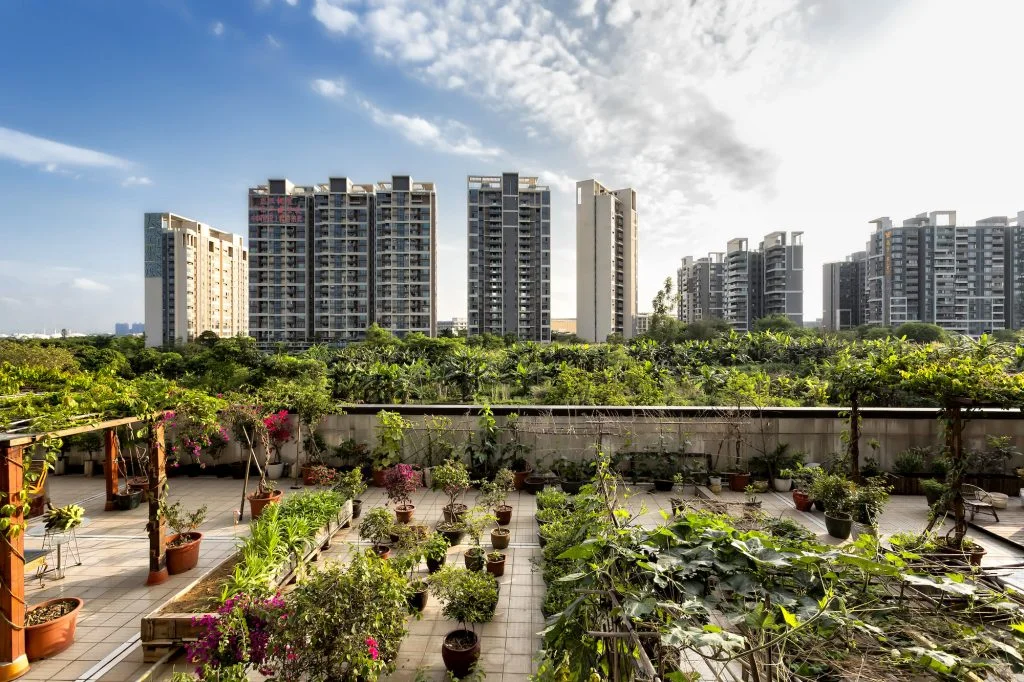
In the hustle and bustle of modern cities, where concrete and traffic dominate the landscape, a quiet revolution is taking root—urban gardening. From rooftop farms to community plots, urban gardens are not just beautifying cities but also improving air quality, reducing stress, and fostering stronger communities. With climate change and rapid urbanization, these green spaces are becoming a vital part of city life.
What is Urban Gardening?
Urban gardening refers to the practice of growing plants, vegetables, or flowers in city environments. Unlike traditional farming, it makes use of unused urban spaces—such as rooftops, balconies, abandoned lots, or vertical walls—to grow food and greenery.
Benefits of Urban Gardens in Modern Cities
1. Cleaner Air and Reduced Pollution
Plants absorb carbon dioxide and release oxygen, directly improving air quality. In cities with heavy traffic and industrial pollution, urban gardens serve as natural air filters.
2. Food Security and Fresh Produce
Urban gardens help city dwellers grow fresh fruits and vegetables, reducing dependence on imported food and promoting healthier diets.
3. Cooling Effect and Climate Resilience
Concrete-heavy cities often face the “urban heat island” effect. Gardens and green rooftops lower temperatures, making cities more resilient to heatwaves.
4. Mental Health and Well-being
Being surrounded by nature reduces stress, boosts mood, and enhances overall well-being. Community gardens also create social spaces that connect people.
5. Stronger Communities
Urban gardens bring together neighbors, fostering cooperation, inclusivity, and a shared sense of purpose. They also educate children and young people about sustainability.
Examples of Urban Gardening Around the World
-
New York City: Thousands of rooftop gardens are now producing fresh food for local communities.
-
Singapore: Known as the “Garden City,” Singapore integrates vertical gardens into skyscrapers and public spaces.
-
Copenhagen: Community-driven urban farms are helping the city move closer to carbon neutrality.
Challenges of Urban Gardening
While the benefits are clear, urban gardening faces challenges:
-
Limited space in highly populated cities.
-
Access to water and resources.
-
Policy and regulation issues in some regions.
-
Lack of awareness and funding for community initiatives.
The Future of Urban Gardens
As cities expand, urban gardening is no longer just a trend—it’s a necessity. Governments, architects, and citizens are realizing the potential of green infrastructure to build healthier, more sustainable cities. With advancements in hydroponics, vertical farming, and smart irrigation systems, the future of urban gardening looks brighter than ever.
Conclusion
Urban gardens are quietly transforming the way we live in cities. They clean the air, provide food, reduce heat, and bring people together. By embracing urban gardening, modern cities can create greener, healthier, and more sustainable environments for generations to come.